The Unnamed Cave
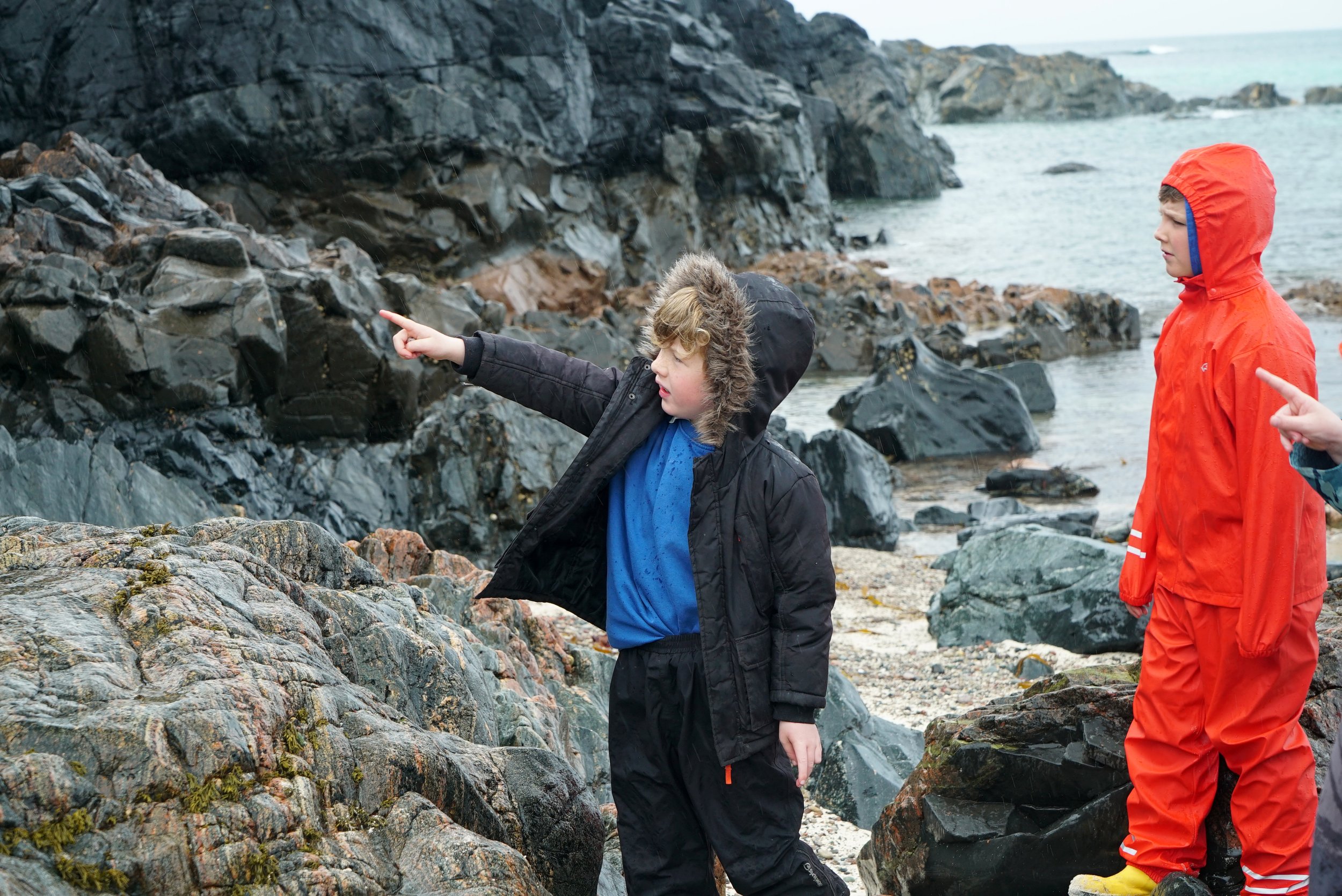
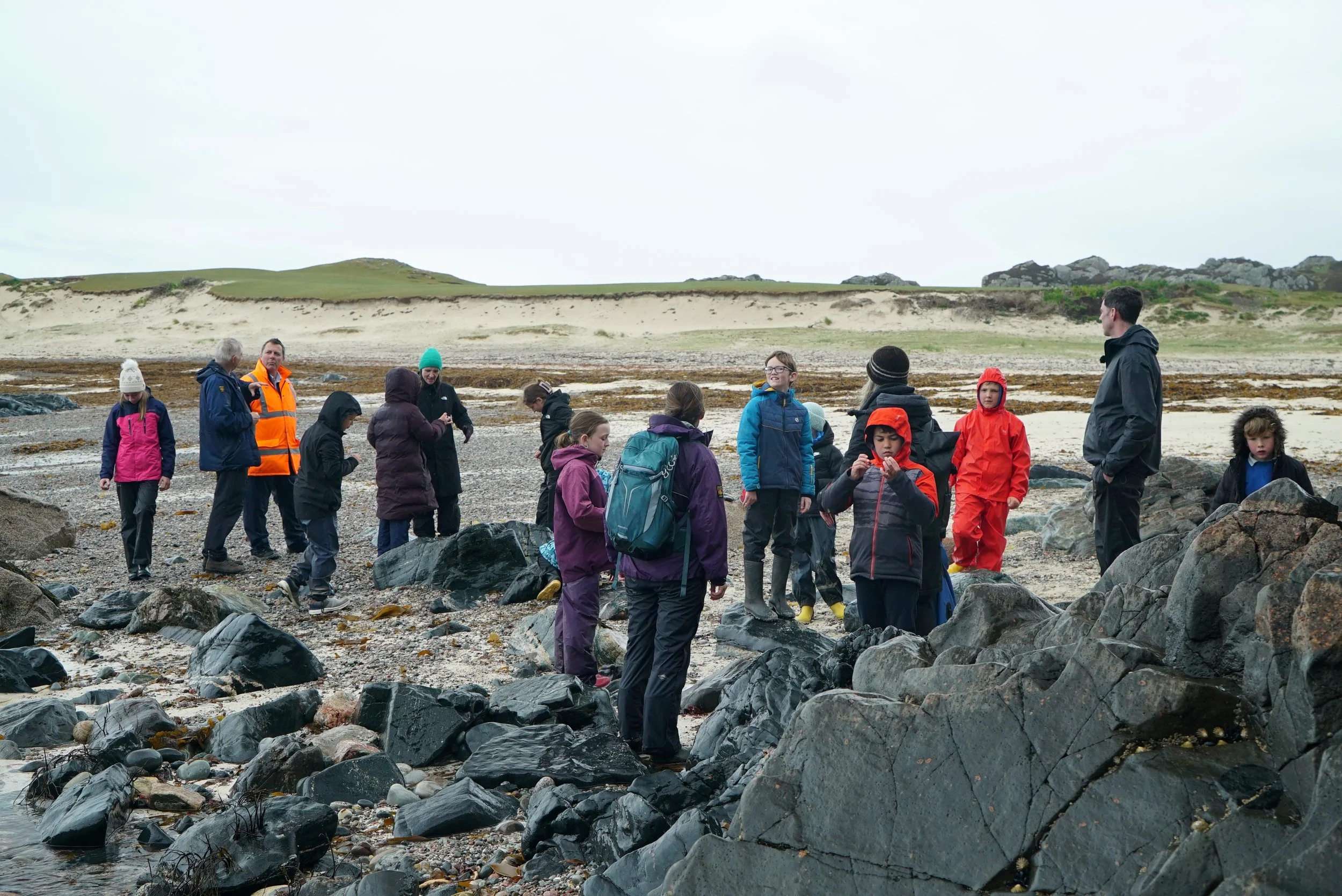
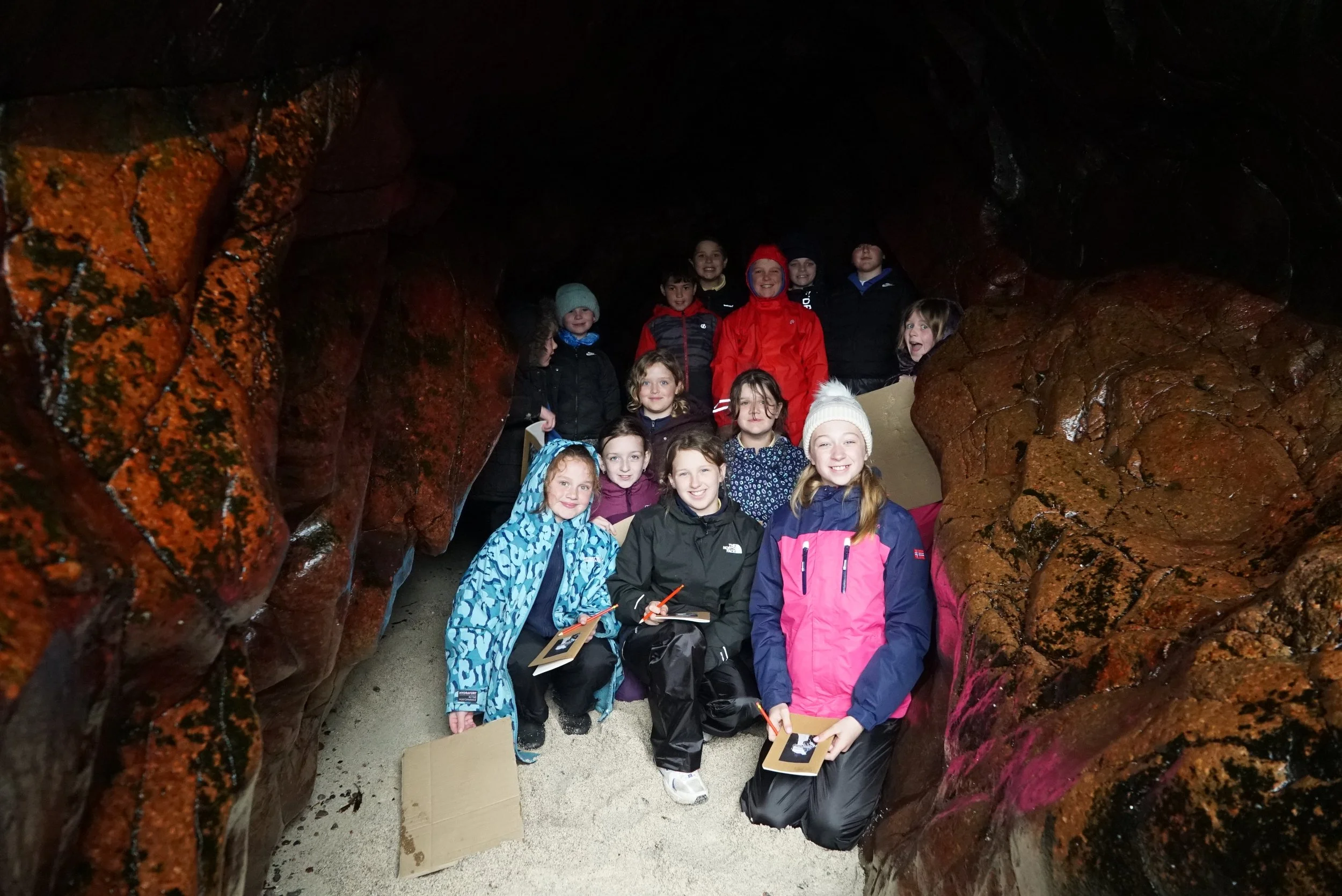
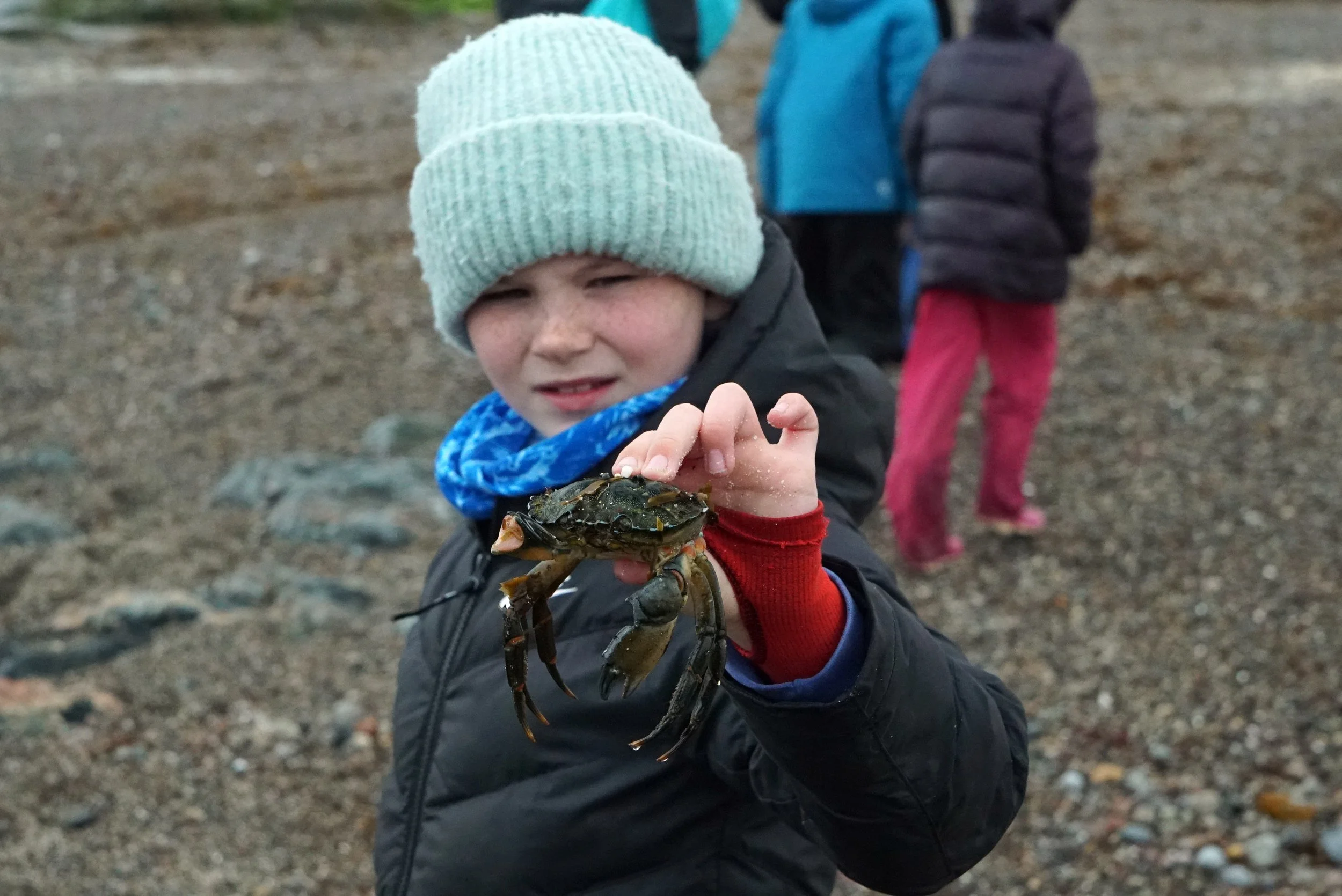
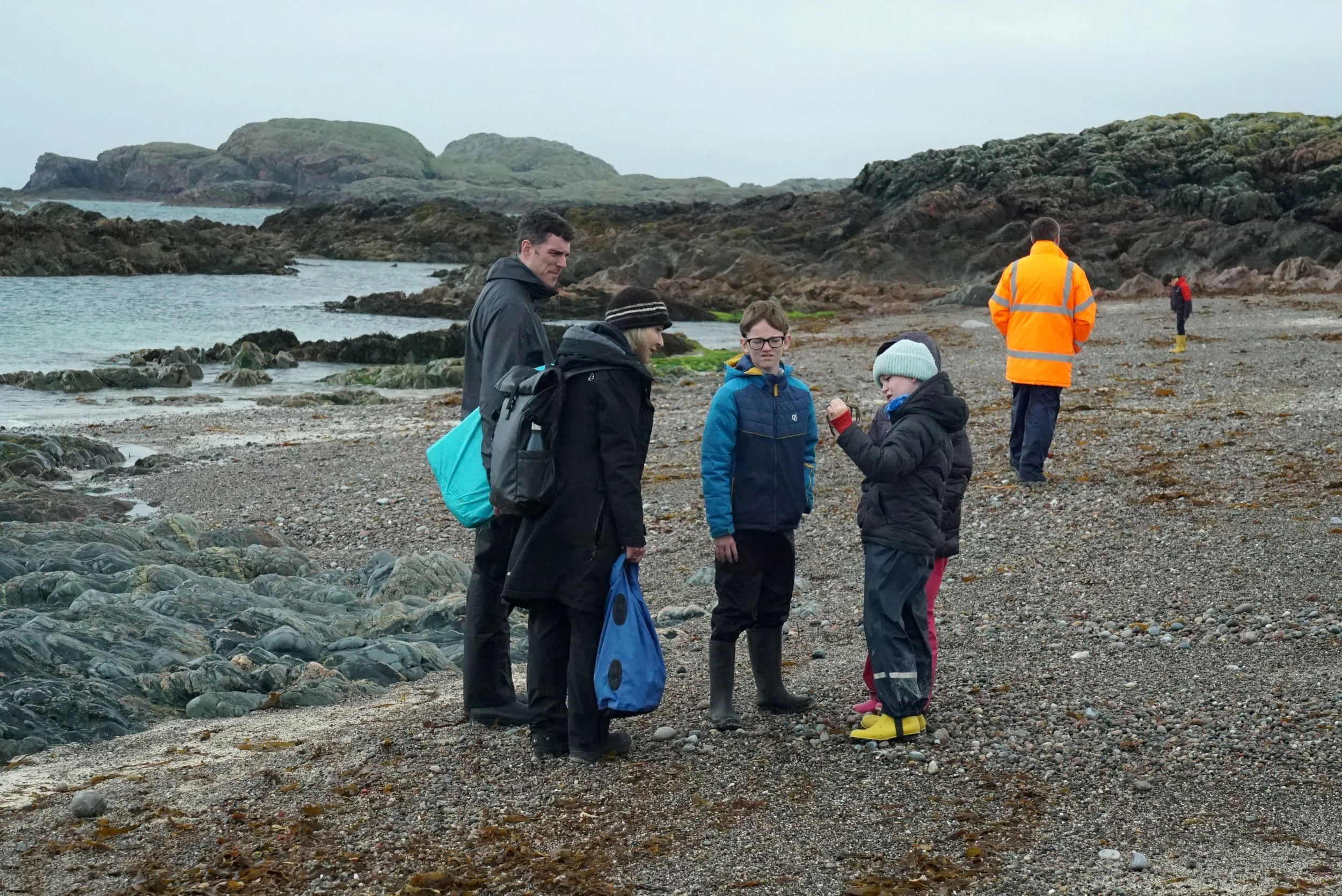
What else would you do on a rainy morning on Iona when you have a geologist, a Gaelic scholar and a National Trust for Scotland ranger to hand? Of course, you would take sixteen children from Bunessan Primary School and Iona Primary School to an unnamed tidal cave on the island's west side.
As we made our way across the machair, NTS ranger Emily Wilkins introduced the children to this remarkable landscape, explaining why it is so important to the ecology of the Hebrides and pointing out some of the plants and habitats that make it so special.
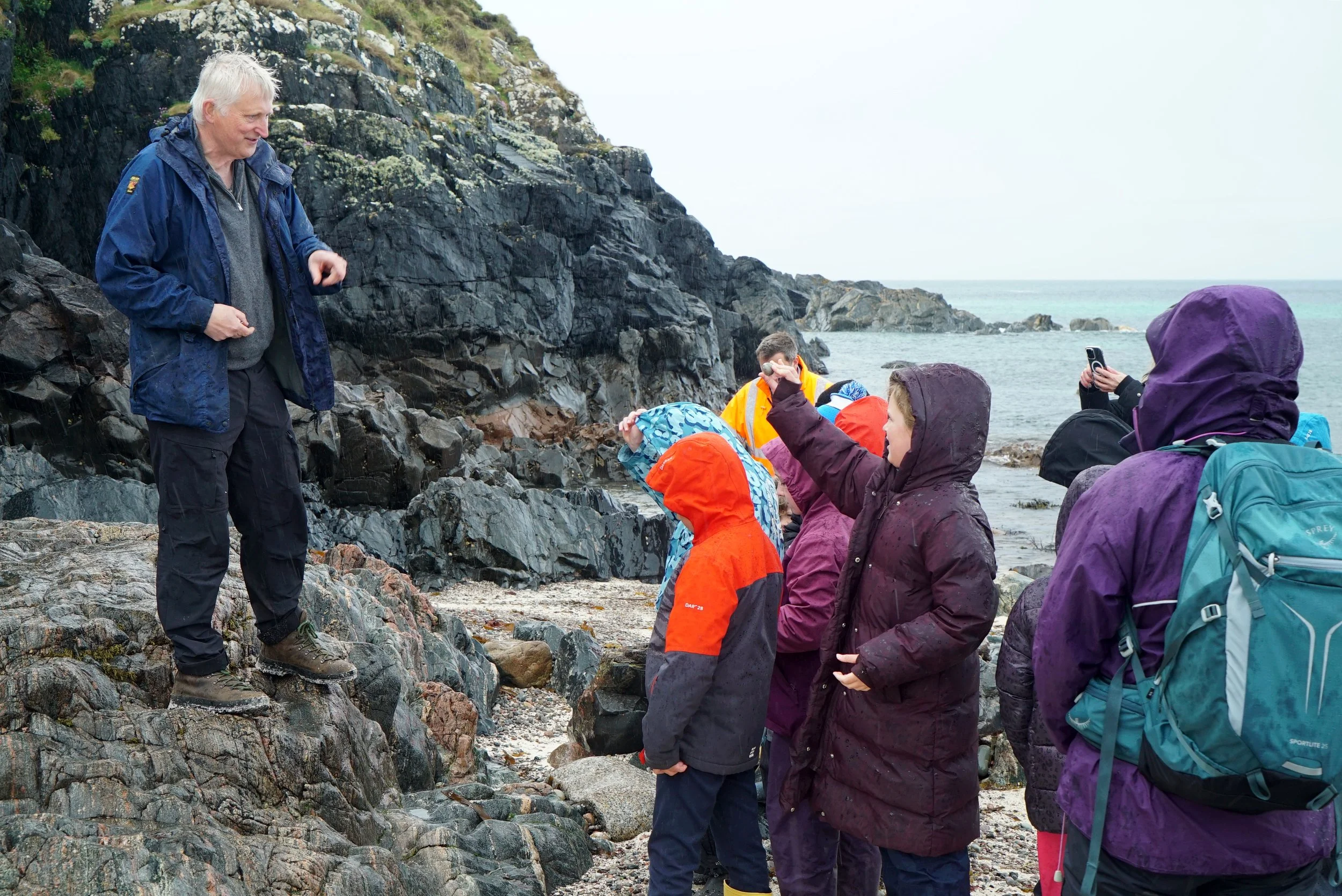
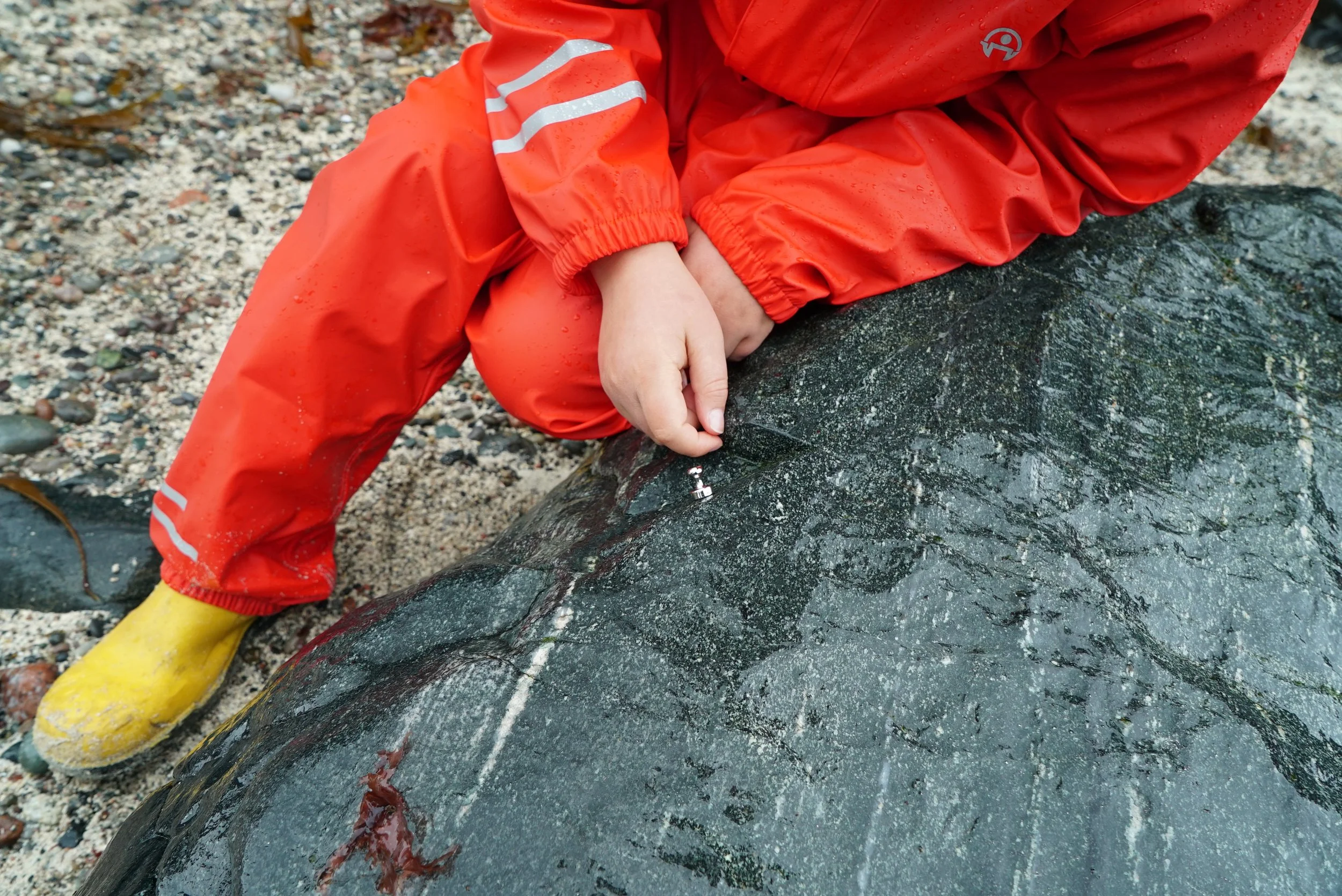
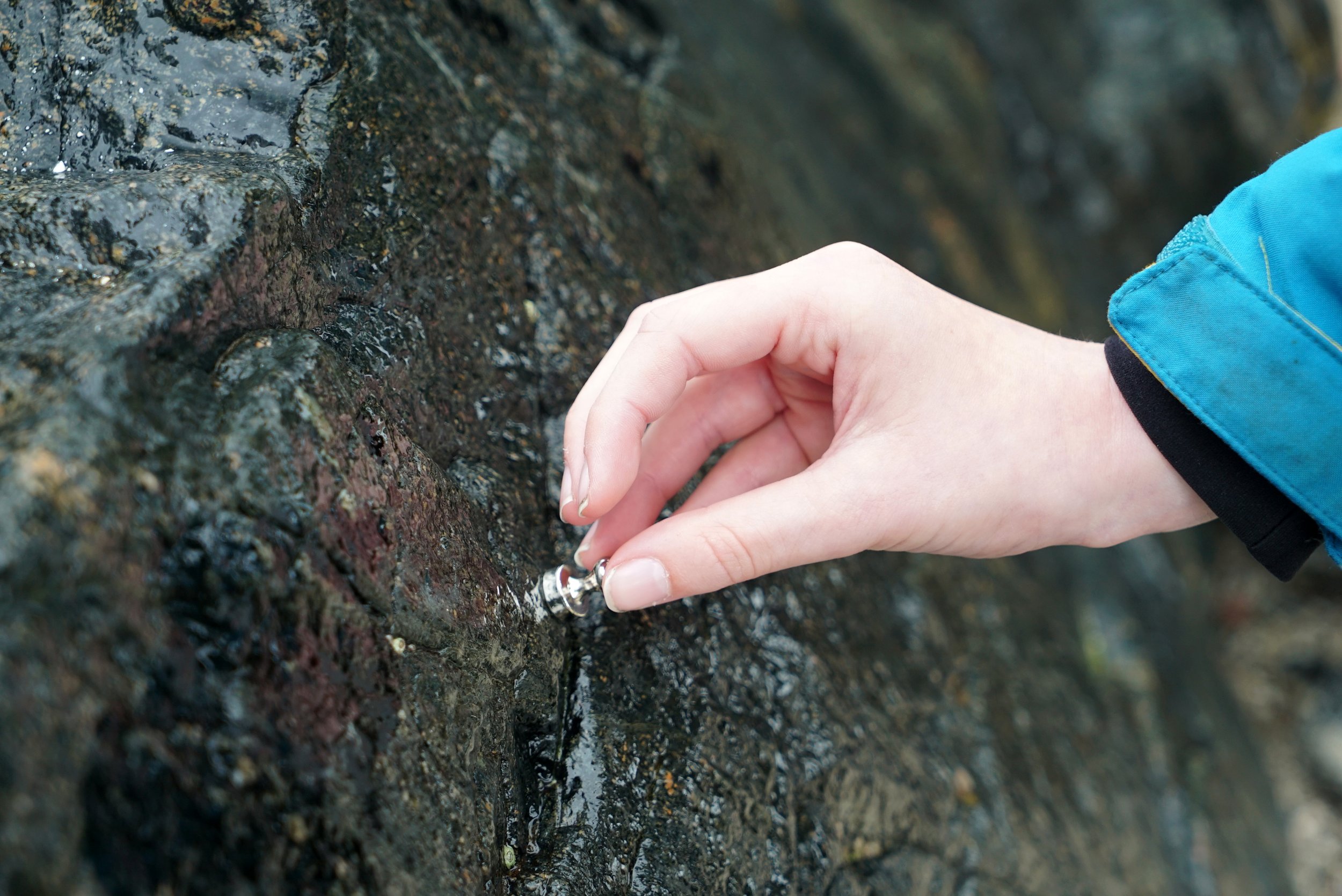
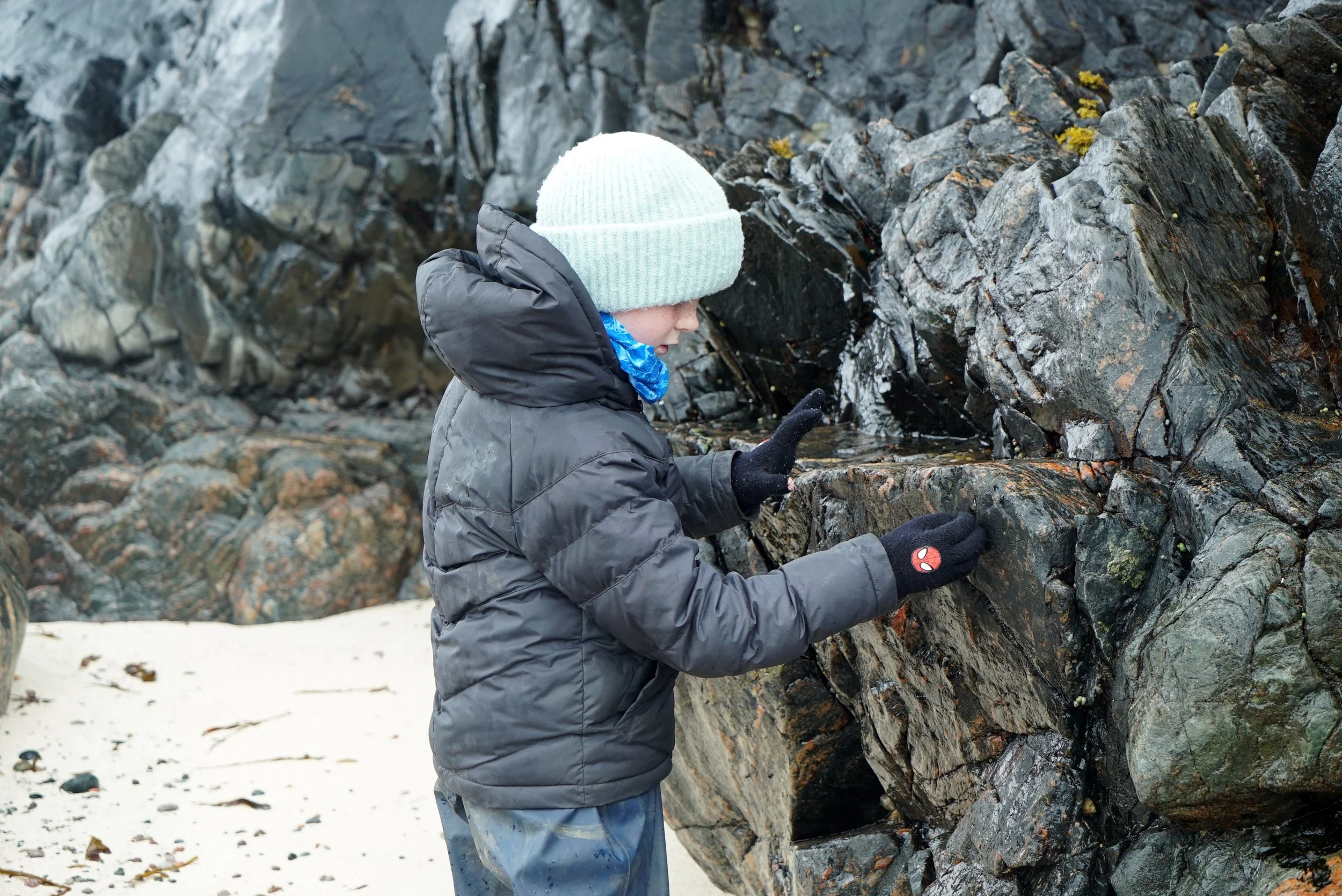
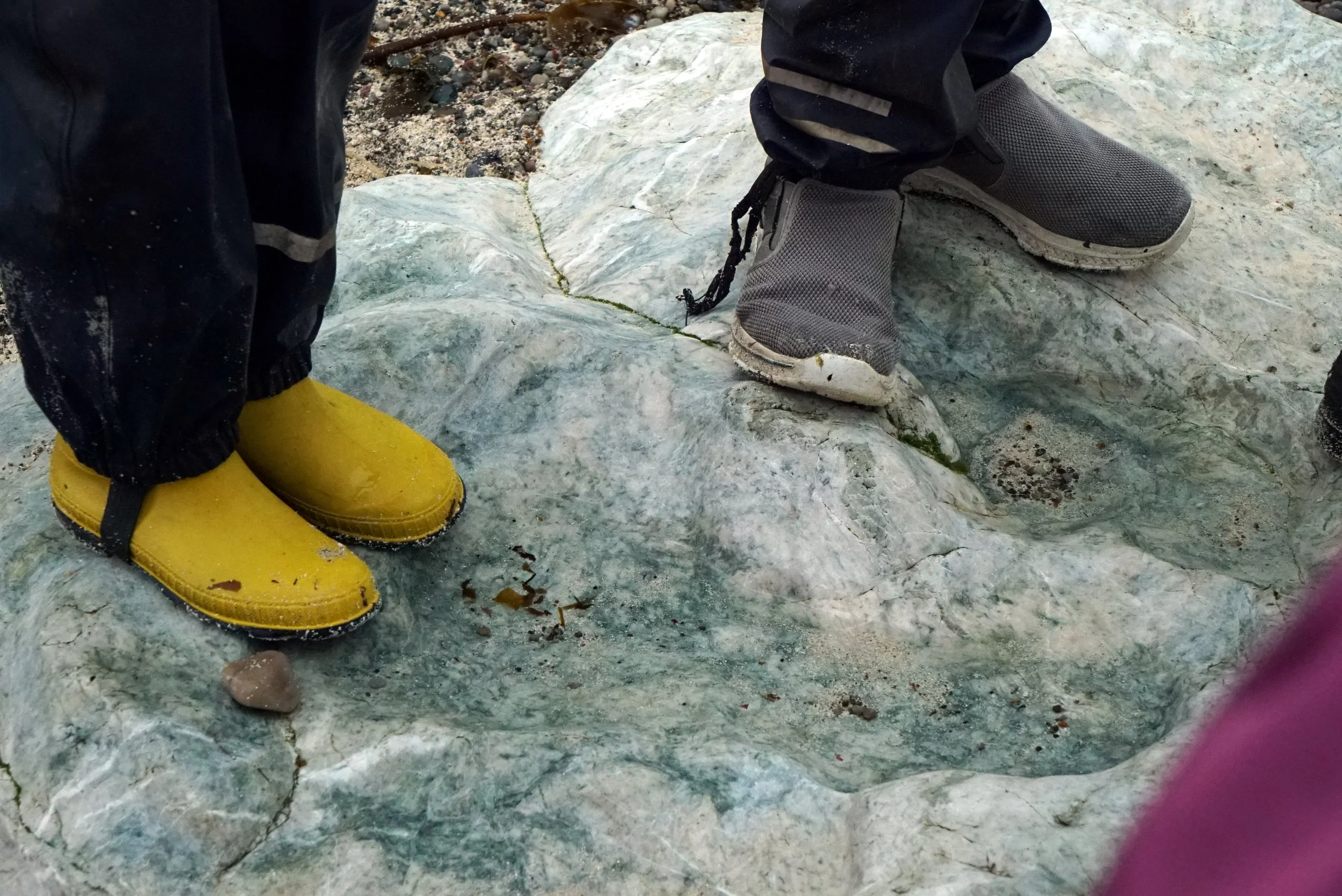
When we reached the cave, the tide was still a little too high to enter, which gave local geologist John Faithfull the perfect opportunity to share some of Iona's ancient geological story. The children were fascinated to learn about the age of the rocks surrounding the cave and even more delighted when John produced magnets, allowing them to hunt for magnetic hotspots amongst the stones.
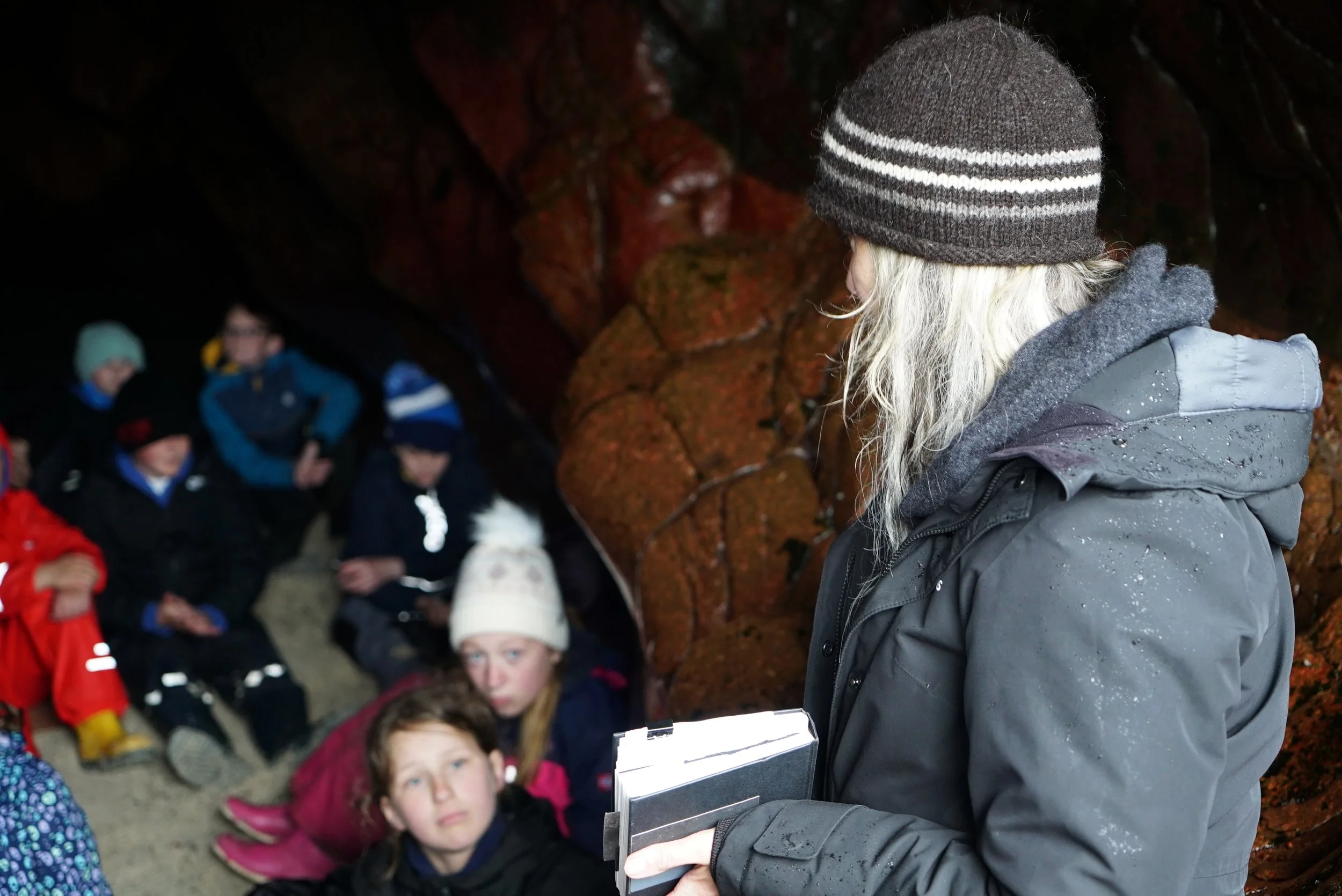
By the time the tide had retreated, it was safe to make our way around the rocky outcrop and into the cave itself. Here, the children spent time drawing, writing and recording their observations in notebooks, paying close attention to what they could see, hear and feel within the space. Local Gaelic scholar Alasdair Whyte then introduced them to some of the cave names found in local Gaelic tradition and place-names. As our cave currently has no known name, the children quickly decided that it should have one by the end of the project.
Back at the Village Hall, they shared their drawings, notes, and impressions before working with Alasdair to explore Gaelic words and ideas that might help shape a name for the cave.
The day offered a wonderful introduction to the project, bringing together geology, ecology, language and creativity through direct experience of place. Our heartfelt thanks go to Emily, John and Alasdair for sharing so generously their knowledge, enthusiasm and time with the children. Their contributions helped open up the cave not simply as a physical space, but as a place rich with stories, history and possibility.